
Check out Jon Jon Johnson’s take on Joy and the theatre. He’s working on Six Characters in Search of an Author right now over at WSC Avant Bard, and his post is a pretty cool reminder of something that working actors can forget pretty easily.

Check out Jon Jon Johnson’s take on Joy and the theatre. He’s working on Six Characters in Search of an Author right now over at WSC Avant Bard, and his post is a pretty cool reminder of something that working actors can forget pretty easily.
Are you ready to rumble?
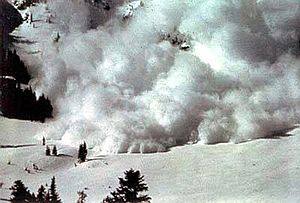
an avalanche. serene. majestic. cataclysmic.
I am helping Liz Hansen and Jon Jon Johnson found Avalanche Theatre Company.
Who is Avalanche?
If you’re a DC fringe goer, you might recall a couple of shows; Sarah Kane’s Crave in the 2011 festival, and Despertar in the 2012 festival. Having done two years of fringing, Avalanche’s creative team was ready to make the jump to a full fledged company, and brought me on.
Why Avalanche?
The company catchphrases is ‘as subtle as,’ which I find fits my personality. I’ve always wanted to ‘one day’ have a theatre company, and so, when Jon Jon and Liz asked if I would be interested in co-directing their company, it struck me as an excellent opportunity.
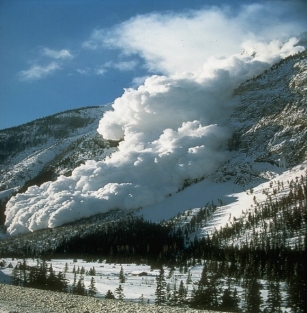
How an avalanche strikes.
Why Run Your Own Company?
There are many reasons to run one’s own company, many good, many bad. Many folks do it so they can select their seasons, which I think is one of the primary (and most legitimate) reasons for founding a theatre company. It’s a chance for people like me to use all their skill sets at once, rather than work as a token skill set for another company. For me, it’s a chance to create art in a dynamic, fresh environment with a supportive team. It’s also a chance to continue developing my theatre admin skills while at the same time getting to flex my creative muscles.
We had our first official meeting as a board yesterday, and we’ve got a slew of exciting plans coming up. I won’t say what they are just yet, but… you should be excited. I know I am.
How Do I Find Out More?
A good question, faithful reader, and one that I am prepared to provide links for:
The company website is:
Hey all! So I’m working on this show,

and I’ve got a view things to share with you, namely video content
(huzzah! video content! put ‘er there, keegan!)
yeah, guys, I would, but… not a video content site yet. I’m so cheap! so, for now, we have links:
Interview with Megan Behm, director:
Interview with Bill Goodman, Playwright:
Talkback footage from our second draft:
if you like what you see, follow these guys on @universeplayers and at edge of the universe players 2 on facebook!
My marvelous GF introduced me to this awesome song. Six months after, still jammin’ to it. Though I love this song, I won’t be doing this anytime soon:

Heartache. Betrayal. Loss. Awkwardness. Sick jams with slammin’ moves.
You go, girl. You go.
Keep jammin’, all.
-K
Hello loyal readers!
Today, I haven’t got anything to complain about (besides scheduling, which is my constant nemesis). So instead, I am going to show you how to draw conclusions!
Part 1. Know Your Enemy
When we want to draw something, we generally want to draw it well, so that people will know what it is.
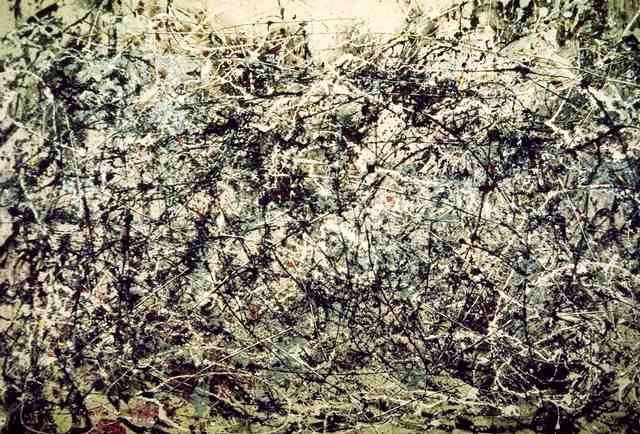 Case in point: Jackson Pollock paints the number 28. Look at that. Perfect 28. Perfect.
So now, we want to look at a conclusion. What do your conclusions look like? Take a good look around to find some conclusions near you. Don’t worry, people know what conclusions look like; you’re a person, you’ll find a conclusion soon enough.
Step 2. Finding Conclusions
Surprisingly enough, conclusions are tough creatures to come by. I find that they like to be hidden, and often nest in places where one has to extend their arm and stretch out their hand just to access the conclusion. Should call them reclusions, for that kind of behavior.
All that said, I believe it was Jeff Corwin who once said that all conclusions must be reached. And he’s a professional animal interviewer, so he would know.
Its a rugged lifestyle.
Once you’ve reached your conclusions, you’re ready to draw them. Make sure they stay still, some folks have a hard time with shifty conclusions.
Part 3. Wrapping it Up
Sometimes it helps to wrap up with a conclusion. I prefer to wrap mine with aluminum foil and then slowly roast them to give them a glazed, semi-cooked texture. Just ask my friends, they’ll tell you stories of my half-baked conclusions.
Now you might say, “But Keegan, how are we going a draw a conclusion when its wrapped up in tin?’
to which I answer, ‘foiled, again!’
But seriously, drawing conclusions is much easier once you’ve wrapped them up. Goodness knows, conclusions put up a good fight, and it’s best to wrap up an argument before drawing your conclusions.
Besides, it’s very hard to draw a conclusion without first having an argument: you’ve got to get your conclusions tired out before they’re ready to be foiled. I know a lot of people who have already drawn a lot of their own conclusions, and most of those conclusions are very tired.

unrelated image
Part 4. Where I Draw a Conclusion
Okay, once your conclusions are settled and still, you are definitely ready to draw them. Make sure you have your #2 pencil, a good heavy piece of drawing paper (or I mean, whatever’s nearby), and your game face.
Now, I recommend that you start with the face…. no, maybe the arms? Hrmmm…. Alright, I’m trying to get one of these going right now, and even with everything in place, it’s proving kind of difficult. Just uh… ahem. Hrm. Well. I guess, ah, overall, I mean, just kinda… I don’t know, put pencil to paper and see what happens.
There ya go, a definite conclusion. Kinda sketchy, but hey. That’s art for ya, right?
Hey all! So I’ve gotten the creative bug again.. ADing and teaching will do that to ya… and I am looking for DC based artists with which to collaborate in a playwright’s group. Any takers, let me know.
Check the sketchbook for explanations of my topmost sketches.
Round 1:
Ninja with shading:
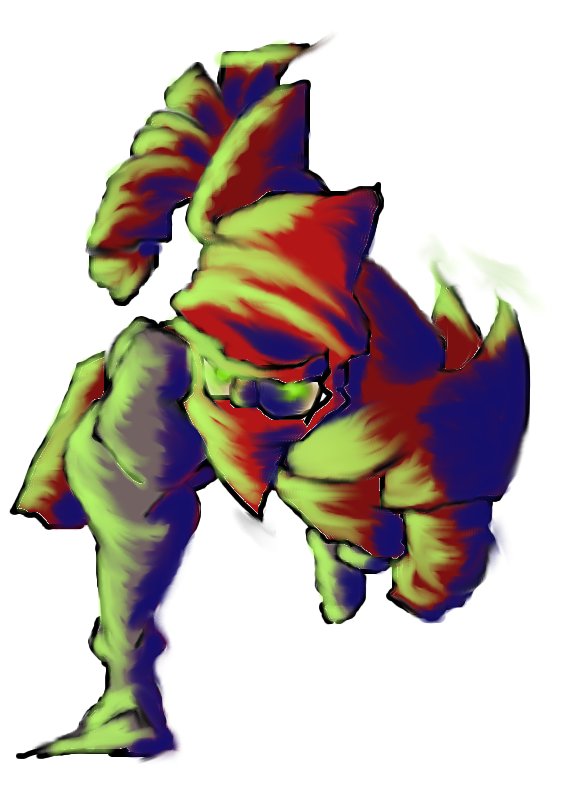 That one was pretty fun.
Here’s another, a mutliple color study with light/shadow done in airbrush: A bit smaller and rougher, this one took half the time of the first.
If you plan on using these images, please include a link to this site in your materials.
Hi world! Long time no post. A while back, I promised images/daily webcomic. I got meself a scanner! (woot).
Anyway, I have images. they’re included in this post and up for review from you, the world (wide web). These images are open content, just please cite me as the author.

Four figure studies counter clockwise: character with blades, spidey variant, lady martial artist, lady with blades
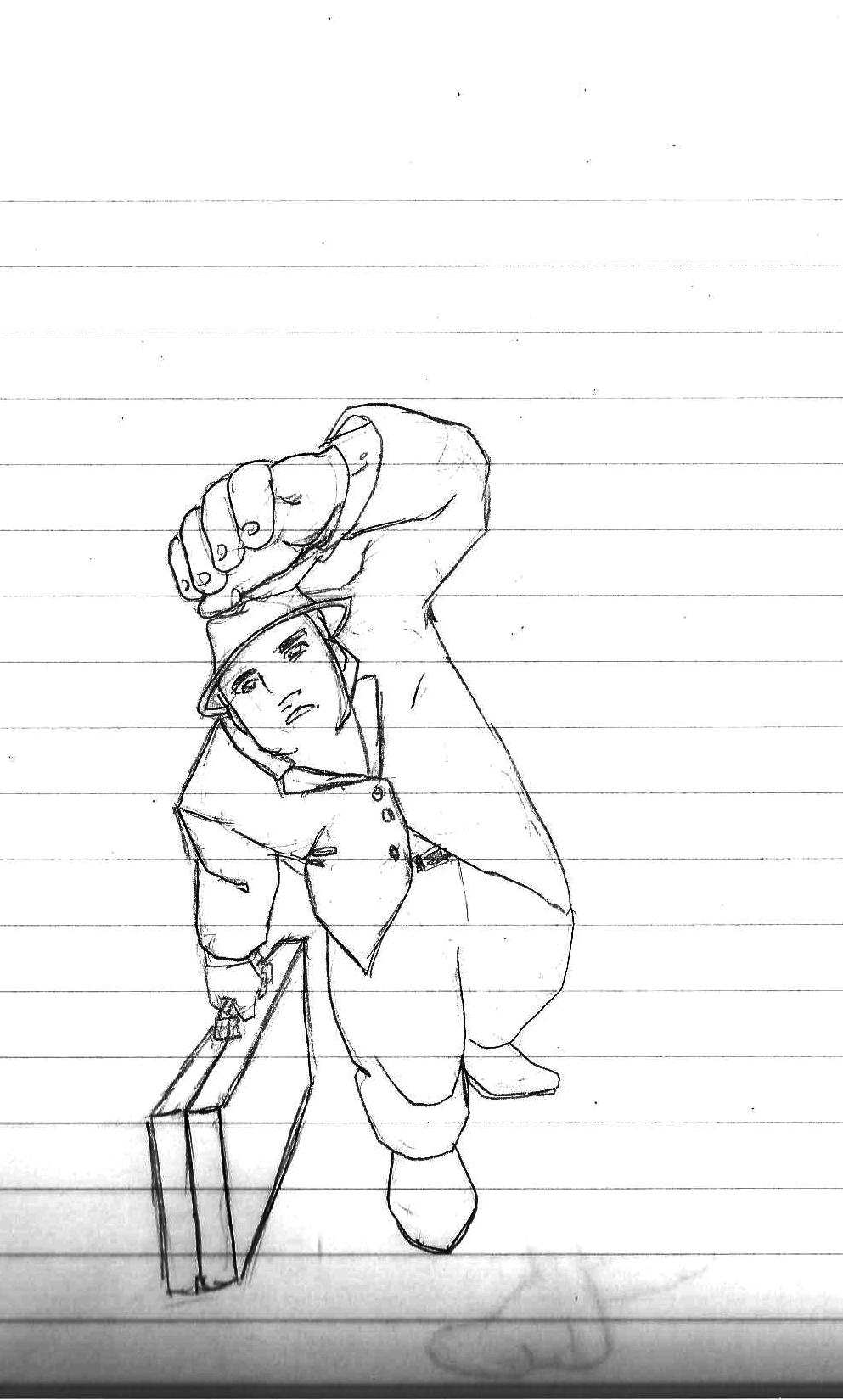
An excerise in perspective, proportion, and figure.
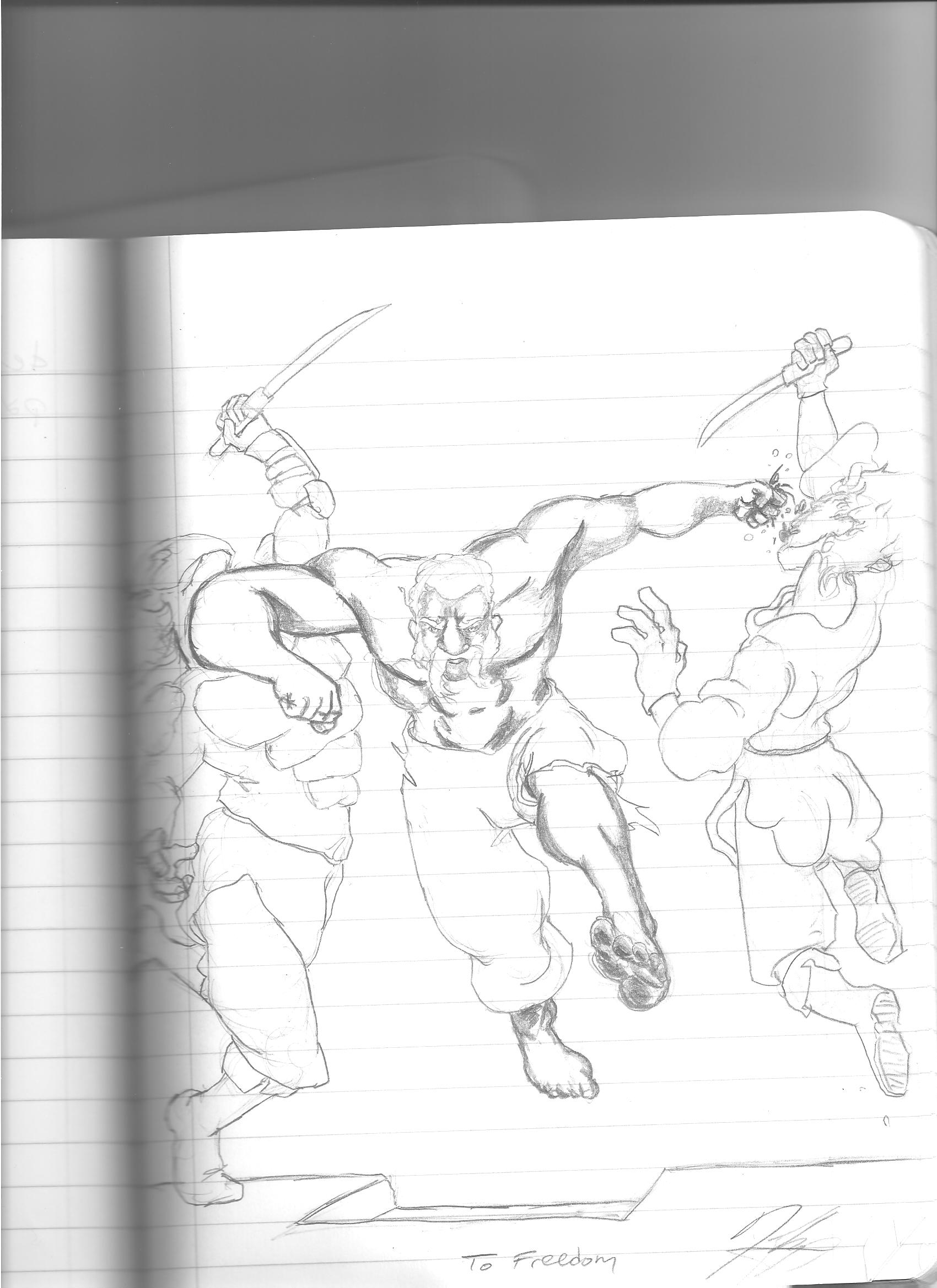
A slave islander breaking free from his captors in the melodramatic adventure tale tradition, with a postcolonial twist
The figure group took about 5 minutes per figure (if that).
The suit took 10 minutes: circles, outlines, face, fingers, clothes, suitcase, heavier overlay lines.
The freedom image took about an hour, with the same process being used as the suit, but with more overlay and detailing. I know this time more precisely because I spent a music ethnography class working on it. Yeah… I don’t doodle when I doodle…
Questions/comments/ concerns? Let me know.
So, we just did some commedia dell’ arte research in class today, and I’m on another inspiration trip. As in, I think I can use some of this for Gondoliers. For those not in the know, I’m going to be directing Sinfonicron Light Opera‘s show this winter, and I’m really looking forward to finding exciting ways of connecting with my cast. Commedia seems like an excellent model for a lot of character work.
Let’s look at the archetypes and the cast:
Archetypes:
The Gondoliers cast:
How do these fit together?
Beyond Analysis
My plan with all this is to use these archetypes to help my actors work from the outside in, getting their physical conveyance out and accentuating the comedy of Gondoliers using a traditionally Italian method. I want my actors to be able to embody their characters and play that comedy, even if it is on a much more subtle level than masked, traditional commedia.

 actor | artist